How Youth Karate Builds Confidence and Focus in New Berlin Kids
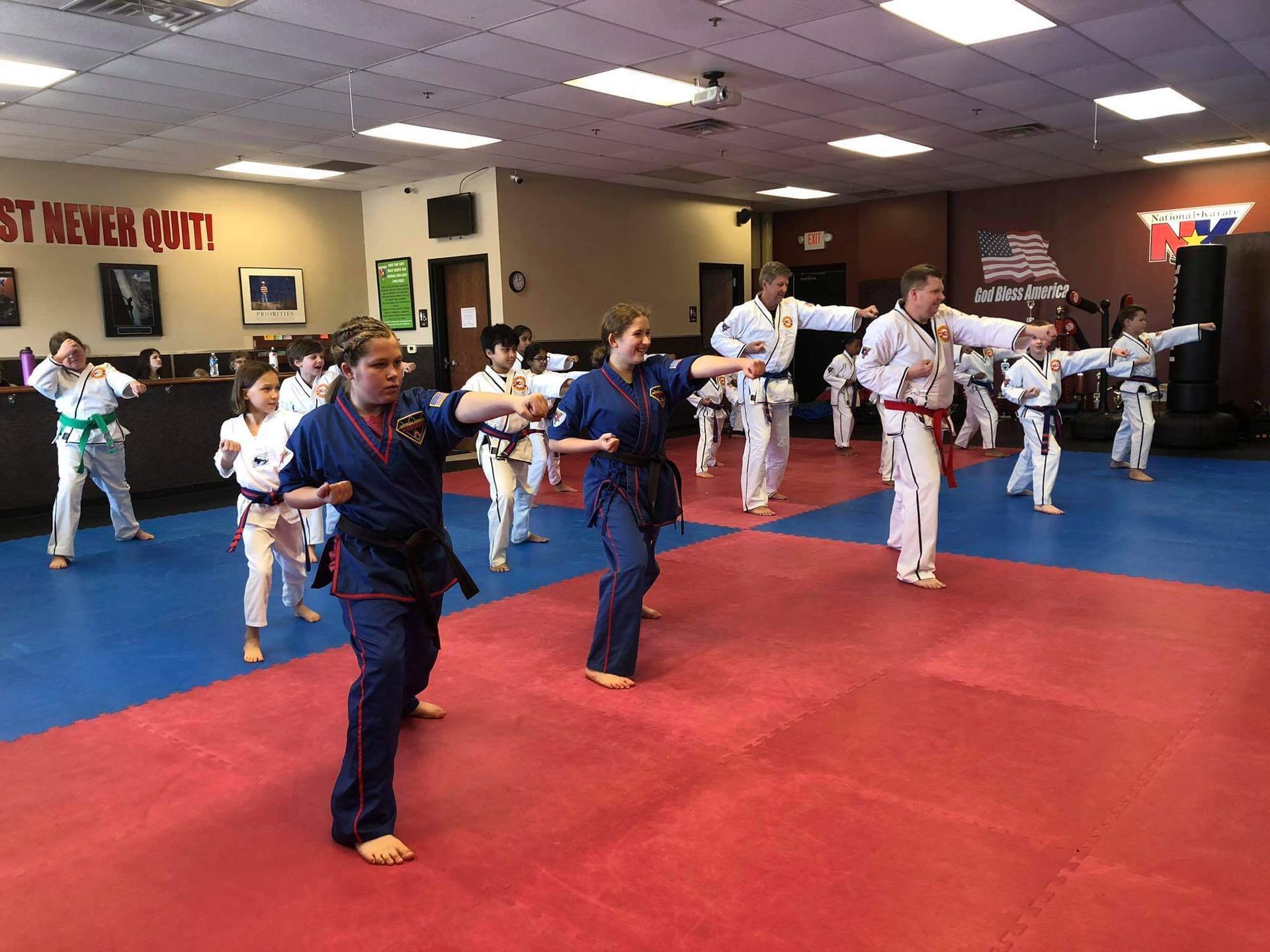
A few weeks of consistent training can change how your child listens, tries new things, and handles frustration at home and at school.
If you are looking at Youth Karate for your child, you probably have a practical goal in mind: more confidence, better focus, fewer battles over listening and follow-through. We hear that every week from New Berlin parents. Kids are smart and capable, but between school expectations, packed schedules, and screens that never stop competing for attention, staying calm and focused is a real skill now.
Our job is to give your child a place where confidence is built on purpose, not just hoped for. Youth Karate works best when the class is structured, progress is clear, and coaches reinforce the same life skills again and again. Over time, that structure becomes something your child carries into homework time, friendships, and everyday choices.
In this guide, we will walk you through how Youth Karate helps New Berlin kids build focus and confidence step by step, what you can expect from training, and how to know if your child is on the right path.
Why confidence and focus are harder for kids right now
Kids today juggle a lot. Even in a supportive community like New Berlin, the pace can feel nonstop: early mornings, schoolwork, activities, social pressure, and constant digital stimulation. Many families tell us their child is either always “on” and restless or hesitant and unsure, sometimes both depending on the setting.
Confidence is not just being outgoing. Real confidence is the quiet belief that “I can handle this” even when something is new or uncomfortable. Focus is not just sitting still. Focus is the ability to keep your mind and body on the next right action, even when distractions are everywhere.
Youth Karate trains both at the same time. It gives kids a physical outlet, but it also asks for attention, patience, and self-control in a way that feels doable. That combination is a big part of why martial arts programs that emphasize routines, respect, and goal setting are linked to improvements in self-regulation and classroom behavior.
How Youth Karate builds confidence in a way kids can actually feel
Confidence grows fastest when kids experience progress they can measure. Not vague praise, not “good job” for everything, but specific wins that come from effort. Youth Karate is designed for that kind of progress, which matters a lot for kids who are used to comparing themselves to classmates or teammates.
The belt system turns big goals into small wins
A black belt is a long-term goal. For a child, that can feel far away. The belt path breaks growth into reachable steps: learning a stance, improving balance, remembering a combination, showing respect, demonstrating control. Each step is concrete.
When kids see that their work leads to visible progress, something shifts. They start to trust themselves. That self-efficacy is the foundation of confidence, and it shows up in small ways first: speaking up, trying again after a mistake, raising a hand at school, or not melting down when something is difficult.
Kids practice being seen, safely
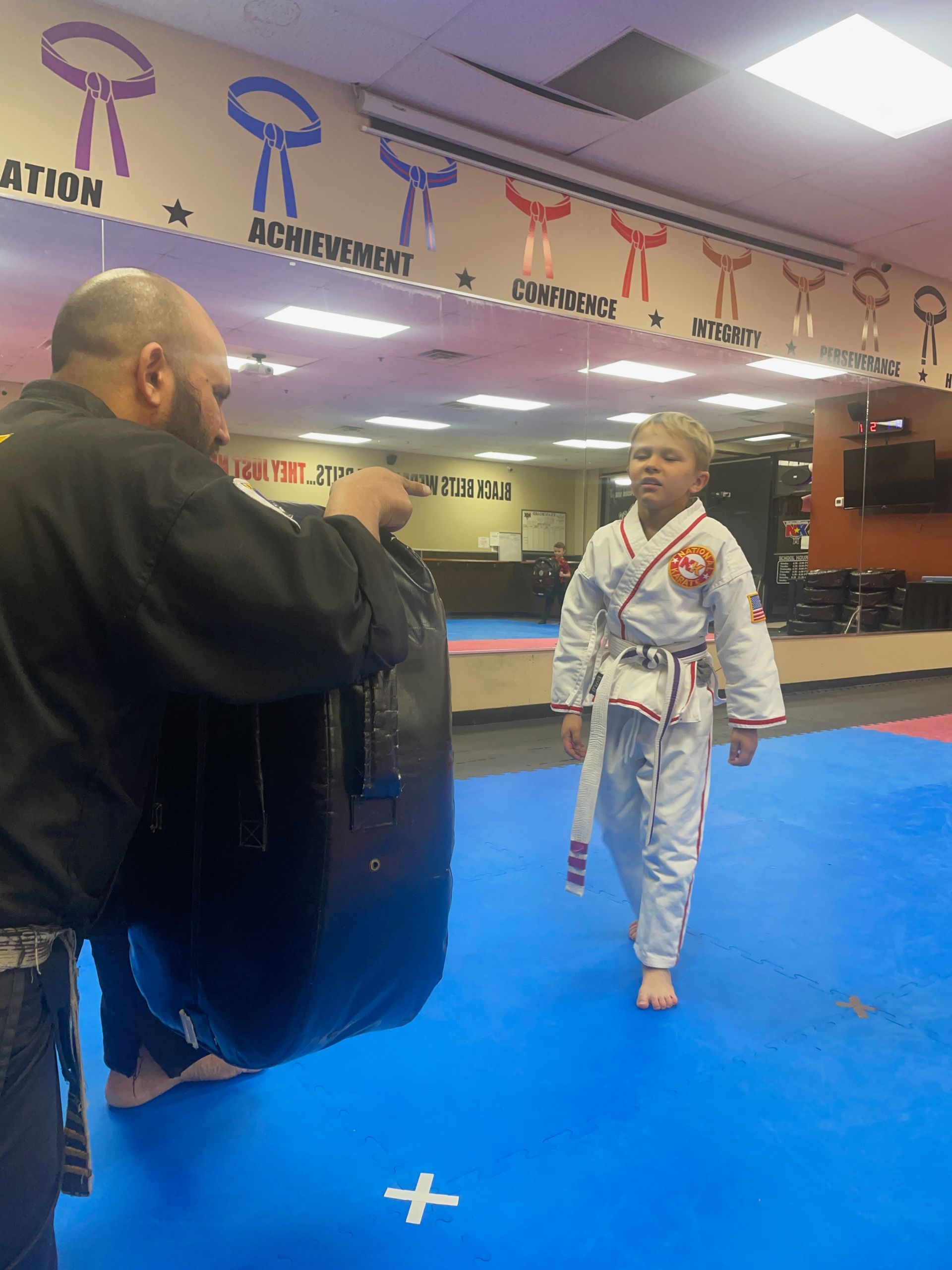
Many children struggle with performance nerves, even if they do not call it anxiety. Youth Karate gives them safe chances to be watched: lining up, answering “Yes sir” or “Yes ma’am,” performing a technique on command, or demonstrating a form.
It is not about putting kids on the spot. It is about normalizing healthy pressure in a supportive environment. Over time, kids learn that nerves are not a stop sign. They are just a feeling you can move through.
Courage grows when challenges are controlled and age-appropriate
A well-run martial arts class introduces challenge gradually. That might be holding a stance a few seconds longer, refining a kick, or participating in supervised partner drills. When kids succeed at something that looked hard at first, their confidence becomes earned, not borrowed.
The best part is that this kind of courage transfers. A child who learns to try again after missing a target is more likely to try again after a tough math test or a social setback. That is not a motivational poster. It is a pattern we see again and again.
How karate trains focus without feeling like “focus practice”
Kids do not improve attention by being told to “pay attention.” They improve attention by practicing it in short, repeatable moments. That is exactly how a good Youth Karate class is built: many small reps of listening, adjusting, and following through.
Structure and routine create calm
Predictability helps kids settle. When class has a consistent rhythm, kids spend less energy wondering what is next and more energy doing the work. Simple rituals like lining up, bowing, and responding respectfully are not just tradition. They are attention cues.
Routine also builds impulse control. Kids learn to wait their turn, keep hands to themselves, and stay on task, even when they feel excited. That kind of self-management is a life skill, and it tends to show up at home in subtle ways, like smoother transitions at bedtime or fewer arguments over chores.
Techniques require real mental engagement
Even basic techniques demand focus. A punch is not just an arm movement. Kids have to think about stance, balance, posture, breathing, and where their eyes are. Combinations require sequencing and timing. Forms require memory, direction changes, and rhythm.
That is working memory training in disguise. Your child is concentrating because the skill requires it, not because an adult is nagging. It is a different experience than sitting at a desk, but the attention muscle is still being trained.
Feedback teaches kids how to adjust, not shut down
Focus is also the ability to stay present when you get corrected. In our classes, kids hear coaching constantly: “Turn your hips,” “Hands up,” “Eyes forward,” “Reset your stance.” Learning to take feedback without getting defensive builds mental steadiness.
For kids who get frustrated easily, this is huge. They start to realize that a correction is not a criticism. It is just the next step.
From the dojo to the classroom: what changes parents often notice
We never promise that karate will magically fix every challenge. Kids are kids. But consistent training tends to create specific, practical improvements that make daily life feel easier.
Here are a few changes families commonly report after steady Youth Karate training:
• Better listening on the first instruction, especially when the request is clear and direct
• More follow-through, like finishing homework or completing a small task without constant reminders
• Improved emotional control, including shorter “big feelings” moments and quicker recovery after disappointment
• Stronger posture and eye contact, which often looks like confidence even before the child feels it fully
• More willingness to try new things, because effort has become normal and mistakes feel less scary
Those changes do not happen overnight, but they are real. And they tend to stack. A little more focus leads to a little more success, which leads to more confidence, which makes it easier to focus again.
Safety, boundaries, and why respectful training matters
When parents think about karate, the first concern is usually safety. That is fair. Youth Karate should be physically challenging, but it also has to be controlled and age-appropriate. A clean, well-managed training environment reduces risk, and consistent rules keep kids from getting reckless.
We take safety seriously by keeping partner work supervised, teaching control as a skill, and maintaining clear expectations for contact. Kids learn that power without control is not the goal. Control is the goal. That lesson is one of the reasons Youth Karate often supports better behavior outside class, too.
Respect is not a side topic. It is part of the training. Courtesy, patience, and self-control are reinforced in the moment, not just talked about. When kids practice respect in a structured setting, they get better at using it when things are less structured, like recess, the bus, or sibling disagreements.
What your child learns in Youth Karate class
To keep things clear, it helps to know what we actually train. Youth Karate is not just random kicking and punching. It is progressive skill-building with life skills built in.
In a typical cycle of training, your child works on:
• Fundamental stances and footwork that build balance, coordination, and body awareness
• Basic strikes and blocks with an emphasis on safe mechanics and controlled power
• Forms and combinations that build memory, sequencing, and sustained attention
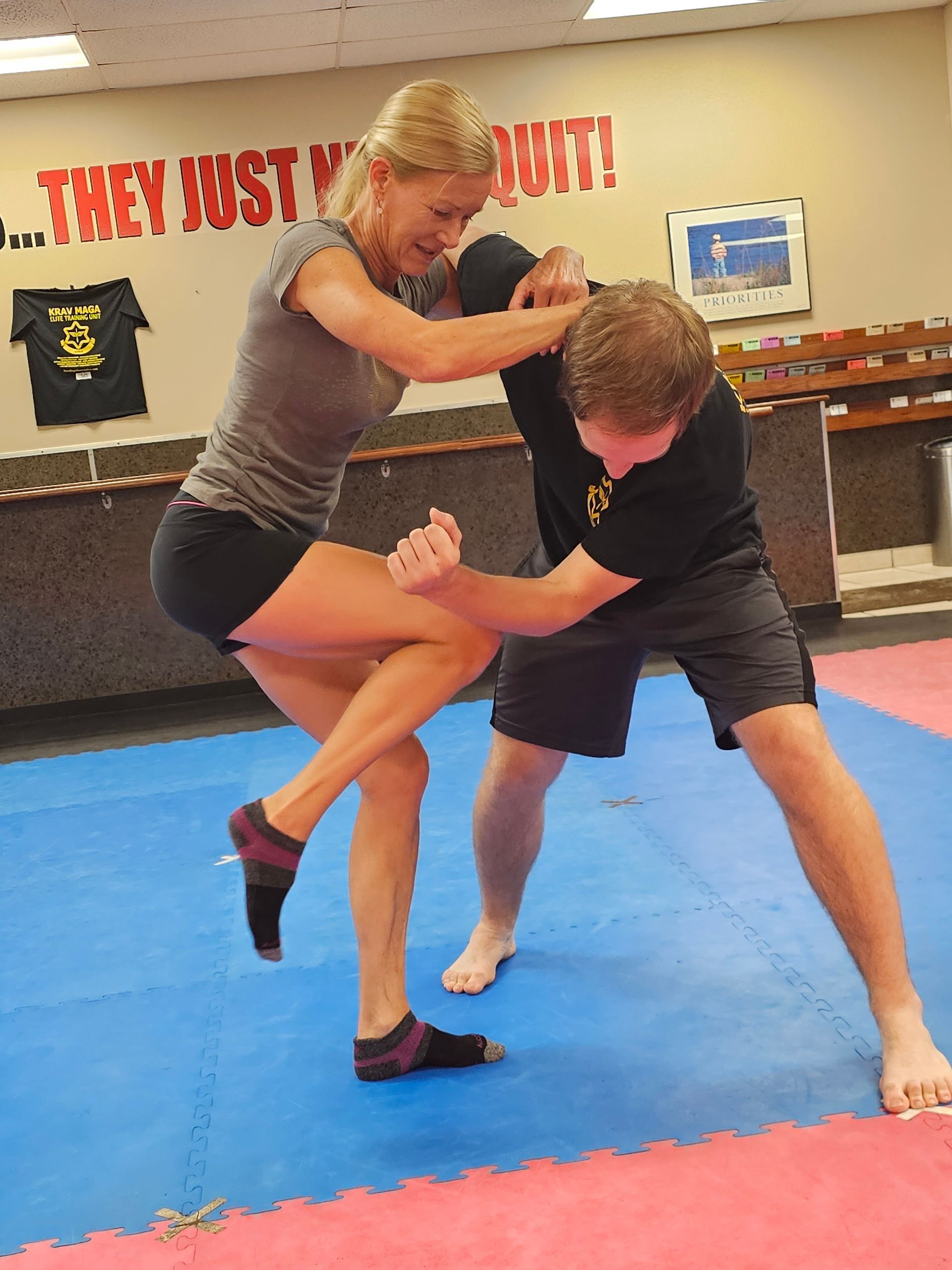
• Age-appropriate partner drills that teach timing, distance, and respectful interaction
• Confidence routines like speaking up, responding with “Yes sir” or “Yes ma’am,” and staying composed under instruction
As kids improve, the skills become more layered, but the foundation stays the same: focus first, then technique, then confidence that comes from doing the work.
How often should your child train to see benefits?
Frequency matters, especially for focus. One class a week can be a good start, but most kids build momentum faster with consistent repetition.
A practical plan looks like this:
1. Start with 2 classes per week if your schedule allows, because the learning sticks better with shorter gaps
2. Expect early wins in 3 to 6 weeks, like improved listening and better emotional control in small moments
3. Look for bigger confidence changes in 2 to 3 months, especially in how your child handles challenges
4. Re-evaluate after a full season of training, since long-term habits take time to build
If your child is very busy, we will help you choose a schedule that is realistic. Consistency beats intensity every time.
What to expect in your child’s first class
First classes can feel intimidating for kids, even the ones who act tough. New rooms, new rules, unfamiliar sounds, and other kids who already know what to do can make anyone hesitate. We keep the first experience simple and welcoming.
You can expect a clear introduction, a beginner-friendly warm-up, and basic instruction on stances and simple techniques. Our instructors give plenty of cues so kids do not feel lost. If your child is shy, we do not rush that. We guide gently, keep expectations clear, and build comfort through participation.
Parents often tell us the surprise is how quickly kids settle once the structure starts. The room has energy, but it is organized energy, and that tends to click for kids who need boundaries as much as they need movement.
Common questions New Berlin parents ask about Youth Karate
What age can my child start?
We work with school-age kids in our youth program, and we will help you choose the right class based on maturity, attention span, and comfort level.
Does my child need to be athletic?
No. Youth Karate builds coordination over time. Many beginners start out awkward, and that is completely normal.
Can karate help with shyness?
Yes. The combination of skill mastery, respectful communication, and small performance moments often helps shy kids speak up and carry themselves differently.
Can karate help my child focus at school?
It can. The class routine trains listening, waiting, memory, and follow-through. Those are the same skills that support classroom success.
Is it safe?
Safety is built into how we teach: controlled drills, clear rules, supervision, and a clean training space.
Can our family train together?
Yes. Family training can be a great way to share goals and build consistency at home.
Take the Next Step
Families come to Wisconsin National Karate for Youth Karate because they want something that builds real skills and real character, not just another after-school activity. Our New Berlin training environment is structured, supportive, and designed to help kids improve their focus and confidence in a way you can actually see at home and at school.
If you are ready to explore Karate in New Berlin for your child, we would love to help you find the right starting point, the right schedule, and a plan that fits your family’s goals.
Build real karate skill, discipline, and confidence by joining a free karate trial class at Wisconsin National Karate.