Is Youth Karate the Secret to Better Discipline for New Berlin Kids?
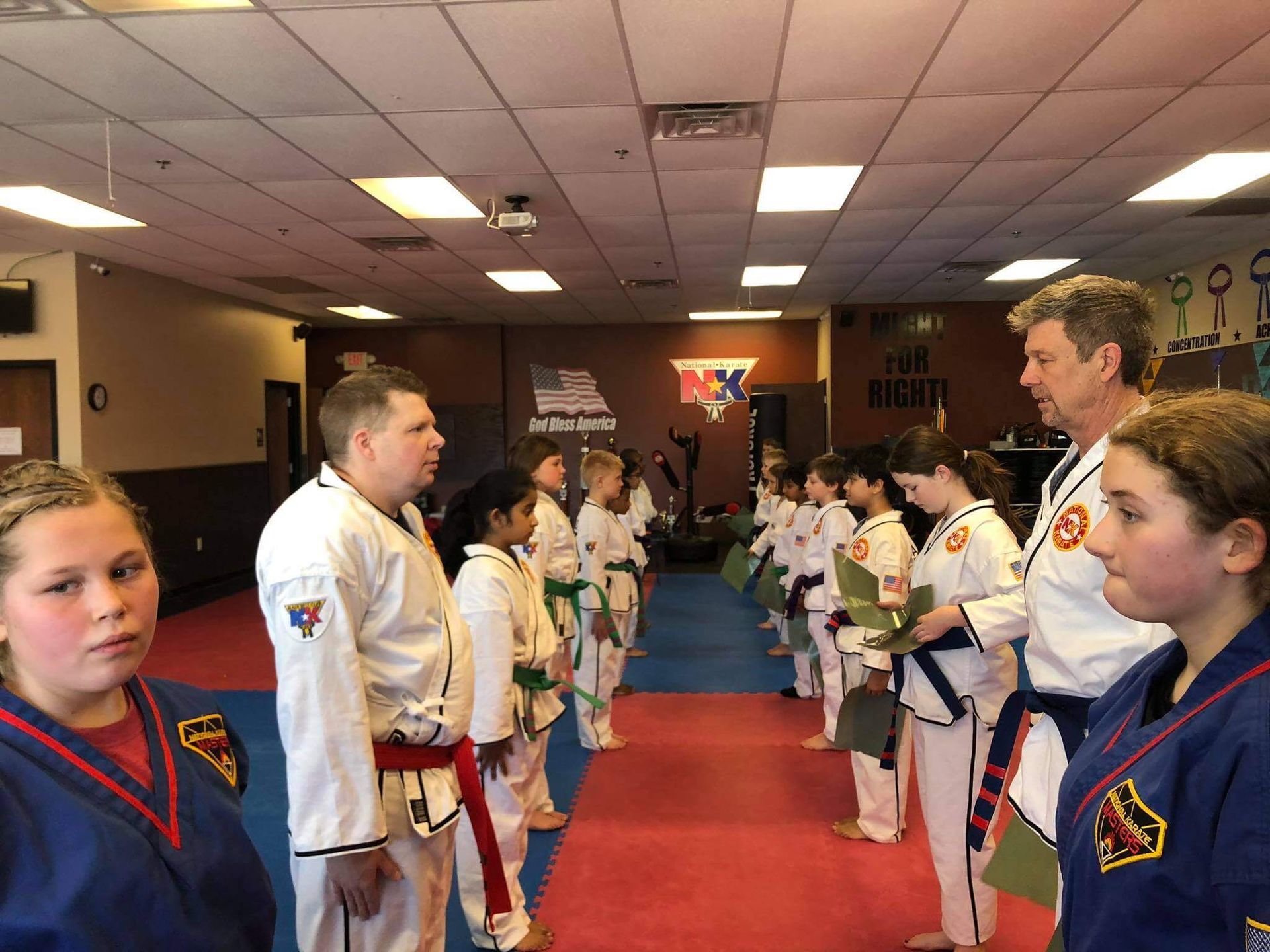
Youth Karate turns everyday “please listen” moments into real, practiced habits your child can repeat anywhere.
If you are parenting a school-aged kid in New Berlin, you already know discipline is not one single skill. It is a whole stack of small skills: listening the first time, keeping hands to yourself, finishing what you start, and bouncing back after a rough day. That is exactly why Youth Karate can feel like a missing puzzle piece for many families, because the class structure quietly trains those habits over and over.
In our experience, kids do not become more disciplined because an adult tells them to be. Discipline tends to show up when children practice clear rules, consistent routines, and calm corrections in a place that feels supportive. Youth Karate gives your child that environment, and it is one of the reasons families keep telling us the benefits show up at home and at school, not just in the dojo.
Research backs this up, too. In one study involving karate-practicing children ages 7-12, parents observed higher levels of discipline after consistent training, including better listening and greater responsibility. Regular practice emphasized self-discipline, punctuality, and self-control as core outcomes. That lines up with what we aim to build in every class: structure that kids can actually use.
What “discipline” really looks like in a kids karate class
When parents hear discipline, it is easy to picture strictness. That is not the goal. The kind of discipline we work on is the kind that helps your child regulate behavior even when nobody is staring at them. It is self-management, not fear of getting in trouble.
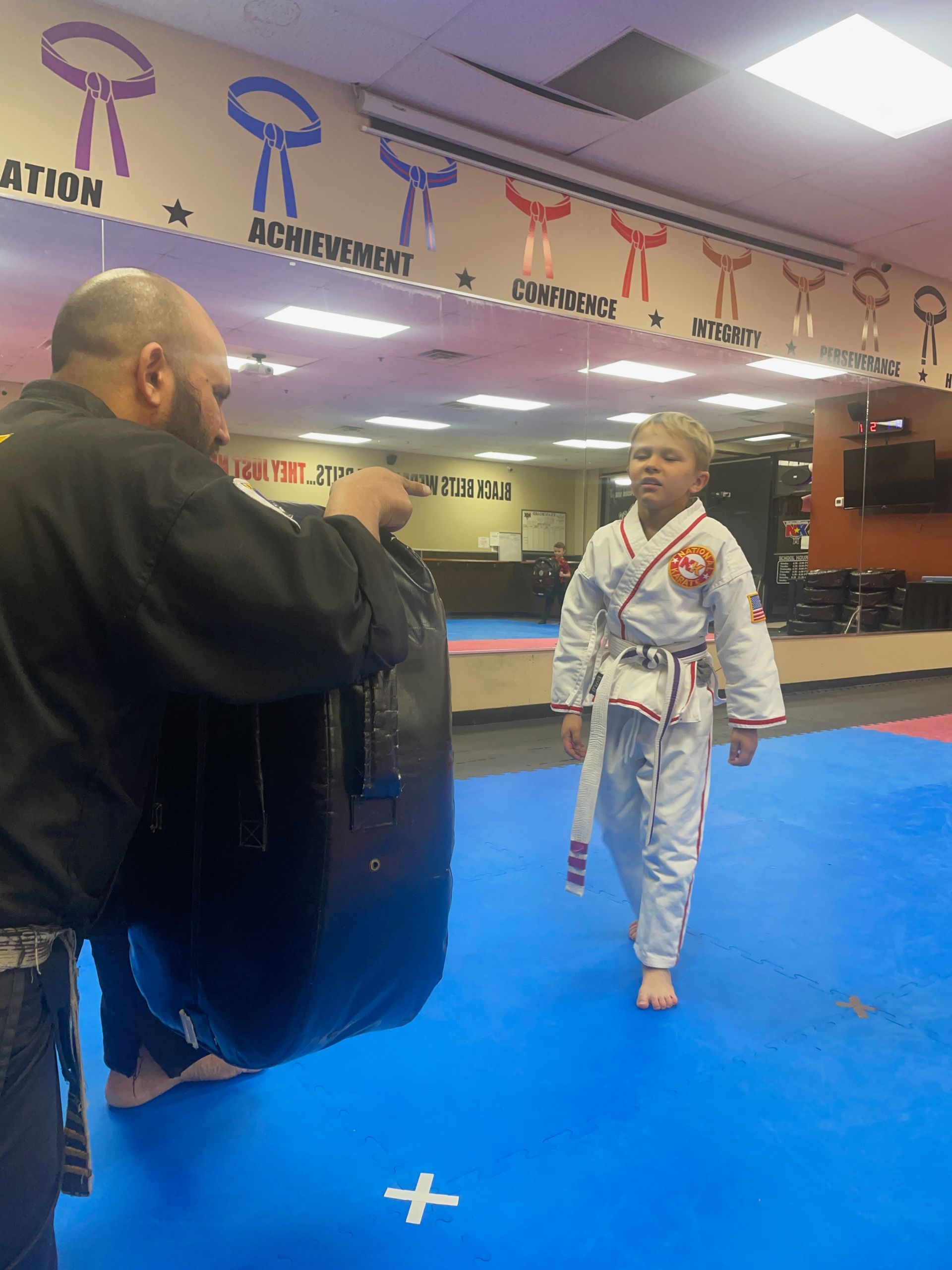
In Youth Karate, discipline is trained through routine. Kids line up, bow in, respond with “yes, sir” or “yes, ma’am,” and learn to wait for instruction before moving. Those steps are small, but they are repeated so often that they start to become automatic. For a child who struggles with impulsive choices, “automatic” is powerful.
We also make discipline feel achievable. A child does not need to be perfect to belong in class. We correct technique and behavior in the moment, then immediately give a chance to try again. Over time, kids learn that mistakes are not a disaster, they are feedback. That mindset alone can change the tone of homework time at home.
Why Youth Karate can improve listening and follow-through
Listening is not just hearing words. Kids need to process, remember, and act. Karate classes naturally train that whole chain because instructions come in short bursts and have immediate consequences. If your child is told to keep hands up and they forget, the technique does not work. The feedback is instant, and it is not personal, it is just reality.
Follow-through is similar. A child might learn a basic combination, then repeat it many times, then apply it during drills, then refine it for a belt test. That repetition teaches persistence without needing a long lecture about grit. It also teaches kids that progress is earned, not handed out.
A lot of families notice practical changes: shoes put away without a reminder, a calmer response to “time to go,” and fewer battles over transitions. Not every day is magically smooth, but the trend often shifts in the right direction with consistent training.
The belt system: goal-setting that kids can actually understand
A big reason Youth Karate supports discipline is that it offers a clear pathway. Kids can see what comes next and what is expected, and that clarity reduces frustration. The belt system turns big character goals into smaller, manageable steps.
Modern youth martial arts programs are increasingly built around structured progression, and for good reason. Kids learn patience through waiting for the next test, and they learn effort through practicing what they have not mastered yet. That builds a growth mindset: improvement comes from consistent work, not quick talent.
Here is how that progression supports discipline in day-to-day life:
• Clear expectations help kids focus on one set of skills at a time instead of feeling overwhelmed
• Small milestones keep motivation steady, especially for kids who struggle with long-term goals
• Practice routines teach time management, because “a little each day” matters more than cramming
• Testing moments teach calm performance under pressure, which is useful in school presentations too
• Public recognition reinforces responsibility, because kids see their effort noticed by others
When you see your child standing taller after earning a belt, it is not just pride. It is the result of weeks of showing up, listening, and trying again.
Emotional control: the quiet discipline that matters most
A lot of discipline issues are emotional issues wearing a different outfit. If a child melts down quickly, argues constantly, or shuts down when corrected, the root is often stress tolerance and emotional regulation. Karate helps because it gives kids a safe place to practice staying calm while doing something challenging.
Research on martial arts suggests improvements in mindfulness and self-control, and studies also point to reduced impulsive behavior and lower bullying tendencies among participating children. In practical terms, we see kids learn how to pause before reacting. They learn how to breathe, reset, and keep going, even when they are frustrated.
That matters at home. It matters in school hallways. It even matters on the playground, where “big feelings” can turn into pushing or yelling fast. Youth Karate gives kids scripts and habits to choose a better response.
Confidence without arrogance: why discipline and self-esteem grow together
Parents sometimes worry that martial arts will make a child aggressive. Our focus is the opposite: control first, technique second. Confidence built through discipline is not loud. It is steady.
One research finding many parents relate to is that 60 percent of parents of karate-practicing children noticed shy kids becoming more confident in self-expression and public speaking. That confidence usually comes from doing hard things repeatedly in a structured setting. When a child learns a form, performs it, and gets constructive feedback, they learn how to be seen without panicking.
Confidence and discipline reinforce each other. A child who believes “I can handle this” is more likely to try, listen, and persist. A child who feels helpless tends to avoid, argue, or quit. We want to move kids toward the first path.
Anti-bullying benefits and safer decision-making
For New Berlin families, bullying is not an abstract topic. Kids deal with teasing, social pressure, and occasional intimidation. Youth Karate supports anti-bullying in a practical way by building awareness, posture, and communication skills. A confident stance and clear voice can stop a lot of problems before they escalate.
We also teach values alongside techniques: respect, self-control, and responsibility. Those values show up in small moments, like waiting your turn, partnering safely, and helping newer students learn. That environment reduces the “prove yourself” behavior that can lead to bullying in the first place.
Karate is also a good place to learn boundaries. Kids practice personal space and controlled contact, which teaches them what appropriate behavior feels like. That body awareness is a subtle but important safety tool.
How Youth Karate supports school performance in real ways
Karate does not do your child’s homework, obviously. But it can change the skills that make school easier: attention control, memory, and persistence. Studies have associated martial arts training with improved focus, stress management, and resilience, and those are classroom skills as much as they are life skills.
We often hear parents say their child is more coachable at school after a few months of training. That makes sense. In class, kids practice:
1. Listening to multi-step instructions and acting on them right away
2. Staying in position and maintaining focus even when other kids move around
3. Accepting correction without taking it personally
4. Finishing a drill even when it feels repetitive
5. Preparing for evaluations, which mirrors test preparation in school
Those habits can translate into better classroom behavior and fewer power struggles around academic routines.
What a typical Youth Karate class feels like for your child
If your child is new, the first class can feel like a mix of excitement and nerves. There is a lot to notice: the sound of feet on mats, the rhythm of counting, the line-up rules, the way instructors demonstrate and then expect effort. Most kids settle quickly once they realize they are allowed to learn at their own pace.
Classes are structured, and that structure is part of the benefit. Kids know when it is time to warm up, when it is time to drill basics, and when it is time to practice skills with a partner. The predictability helps kids who crave routine, and it also helps kids who need routine.
We keep safety at the center of training. Control is emphasized constantly, because control is the real mark of skill. A child does not need to be the strongest kid in the room to succeed. Consistency wins.
Getting started and sticking with it in New Berlin
The best results from Youth Karate come from steady attendance. Discipline is built through repetition, and repetition requires a schedule that works for your family. We recommend starting with a realistic plan, then letting your child’s momentum build.
A few simple habits help families stay consistent:
• Treat class like an appointment, not an optional activity that gets bumped first
• Pack gear the night before so you are not rushing out the door
• Encourage short practice sessions at home, even five minutes counts
• Ask your child what they learned after class, then listen for details
• Celebrate effort, not just belt promotions, because effort is the engine
Karate is not a quick fix, and that is a good thing. The goal is lasting change: better listening, better self-control, and a calmer, more capable kid.
Take the Next Step
If you are looking for a practical way to build discipline, focus, and confidence, Youth Karate is one of the most reliable paths we see for New Berlin kids because it turns character into something your child practices, not just talks about. Over time, the routines of training become routines of life: show up, pay attention, try hard, and improve.
When you are ready, Wisconsin National Karate is here to guide your child through a structured program that keeps expectations clear and progress motivating. We would love to help you explore Youth Karate in New Berlin in a way that fits your family’s schedule and your child’s personality.
Take what you learned here and join a free karate trial class at Wisconsin National Karate.