5 Ways Karate Classes in New Berlin Spark Friendships and Community
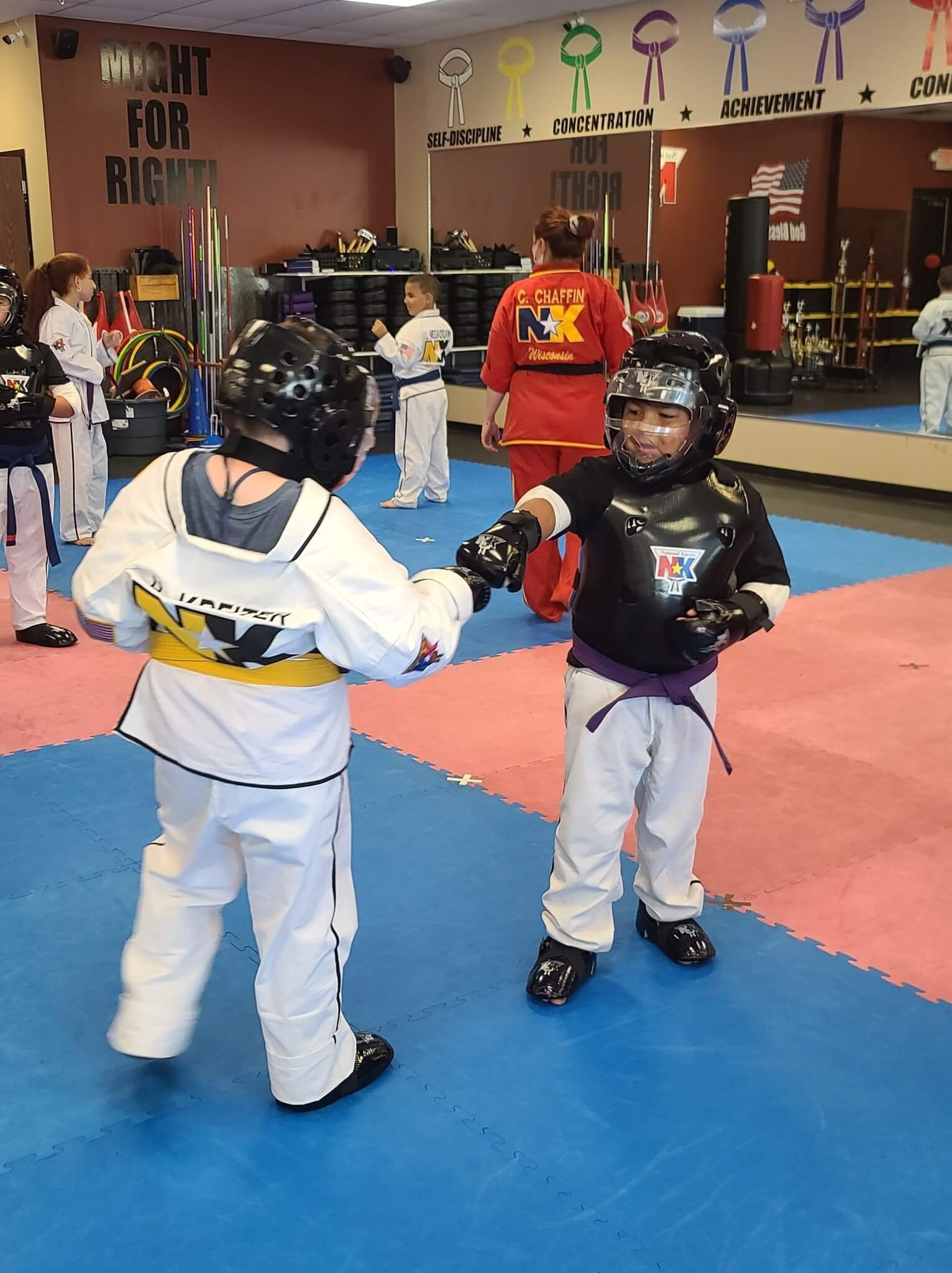
The best part of training is realizing you are not doing it alone.
Karate is often pictured as a solo pursuit, but in real life, most progress happens in a room full of people working toward the same goal. In our New Berlin classes, students show up for self-defense, confidence, or fitness, and then something else happens almost by surprise: they start belonging. The mat becomes familiar, the routines start to click, and the faces around you turn into teammates.
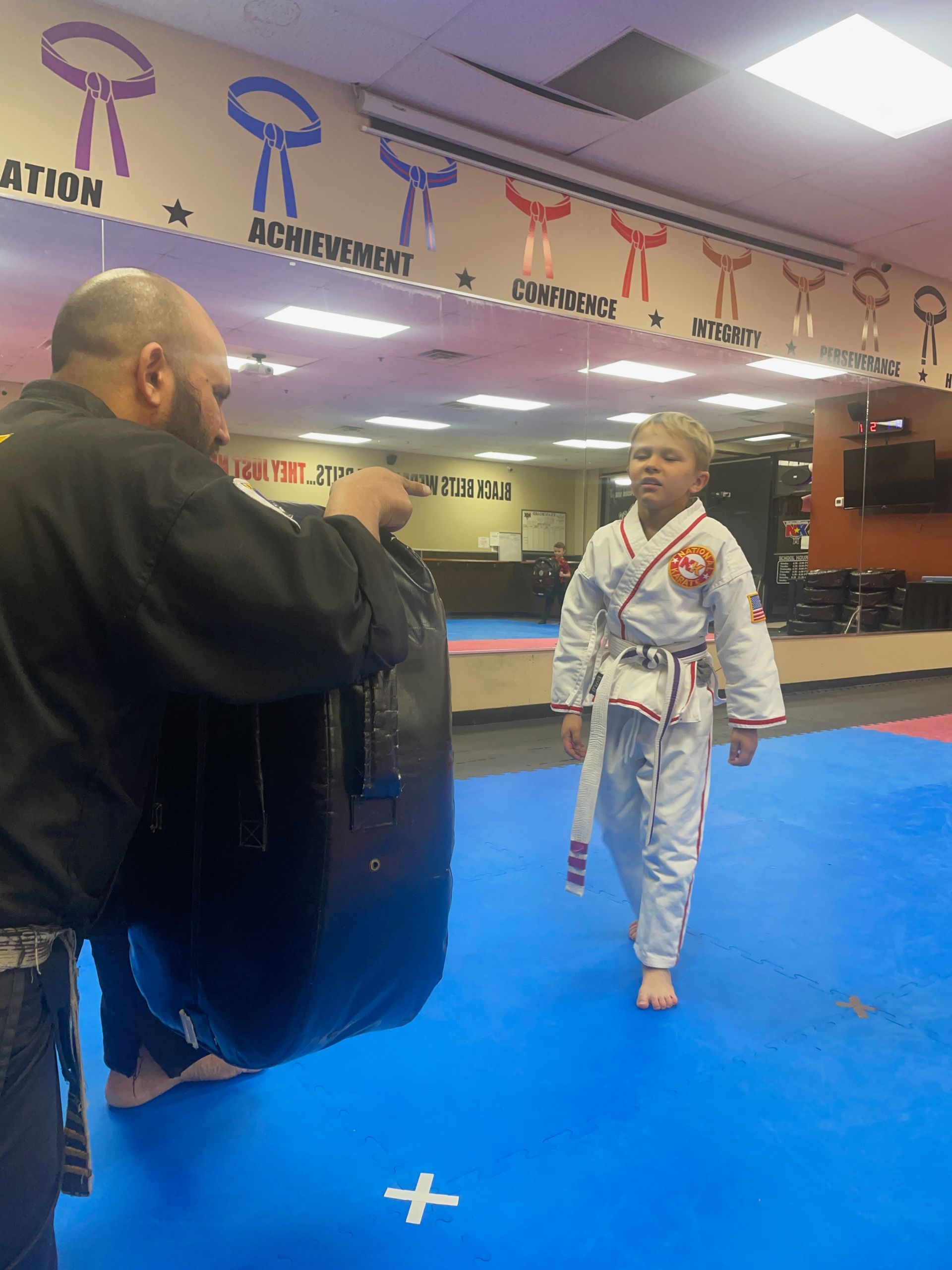
We see it especially with kids. Youth Karate in New Berlin is not just about kicks and blocks, it is about learning how to be part of a group while still building personal discipline. Adults feel it too. Training gives you a reason to show up consistently, and consistency is one of the fastest ways to turn acquaintances into real friendships.
1. Shared goals create instant common ground
When you walk into a class, you already have something in common with everyone there: you chose to be there. That matters. In everyday life, it can take a while to find shared interests, but Karate class gives you a built-in starting point. You are all learning the same basics, chasing the same improvements, and measuring progress in similar ways.
Over time, the shared goals become specific. You might be working on sharper technique, better balance, stronger focus, or simply showing up twice a week without quitting. Those goals create a kind of quiet teamwork, even when you are technically training as an individual.
How we build teamwork without forcing it
We use partner drills, group line work, and structured combinations so students interact naturally. That structure helps shy students feel less put on the spot because everyone is following the same plan. It also helps outgoing students learn respect and patience, which honestly is just as important.
Here are a few ways shared goals turn into friendships in our classes:
- You practice the same fundamentals side by side, so improvement becomes something you notice in each other
- You learn to encourage training partners, because effort is visible even before skill is polished
- You celebrate milestones together, from first stripes to higher belts, because everyone understands what it took
- You laugh off the awkward moments, like mixing up a combination, because everyone has been there
- You start recognizing familiar faces across weeks, and that familiarity lowers social pressure fast
That is community in a practical form. Not forced. Just earned through repetition.
2. Structured classes make it easier to connect
A loose, anything-goes environment can be intimidating, especially for beginners. We keep our classes structured and traditional because it creates clarity: you know what to do, where to stand, when to listen, and when to try. When students feel safe and oriented, they are more likely to open up socially.
Structure also creates a shared language. When everyone is working through the same format, you start to feel like you are part of something. New students pick up the rhythm quickly, and that reduces the awkwardness that sometimes comes with joining a new activity.
Why discipline supports friendships
It sounds backwards at first, but discipline helps people connect. Respectful behavior makes a room feel welcoming. Clear expectations reduce anxiety. And when students know class is well-managed, parents feel comfortable letting kids participate fully.
In Youth Martial Arts in New Berlin, this matters a lot. Kids want to be accepted, but they also need boundaries. Our approach gives them both: a friendly environment, and the structure that keeps it positive.
3. Personal attention helps newcomers feel seen
One of the fastest ways to feel like you belong is simple: someone learns your name and uses it. We prioritize that. Our instructors work hard to notice students quickly, remember names, and give feedback that is specific. For a new student, that can be the difference between feeling like an outsider and feeling like part of the group.
Personal attention also changes how students treat each other. When instructors model patience and respect, students tend to mirror it. You start seeing classmates help each other tie belts, remember forms, or reset after a mistake without making it a big deal.
What personalized coaching looks like in practice
It is not complicated, but it is consistent. We correct technique in the moment, we acknowledge effort, and we keep expectations realistic for each age and level. That steady guidance makes students feel supported, which makes them more willing to participate socially.
If you are a parent, you will often notice this before your child can explain it. Kids come out of class talking about what they learned, but also who they worked with. The social piece becomes part of the story naturally.
4. Family involvement turns training into a local hub
Friendships grow faster when families are involved. When parents are engaged, kids are more likely to stick with an activity long enough to build real bonds. We welcome family participation and make it easy to become part of the community around the program, not just a name on a roster.
For some families, Karate becomes the one activity that everyone can talk about at dinner. Even if siblings train at different levels, they still share the same routines, the same etiquette, and the same vocabulary. That shared experience creates connection at home and in the class.
Community feels different when you train together
We see it in small moments. Parents chatting after class. Students greeting each other outside the studio. Kids hyping each other up before drills. It is not a loud, performative kind of community. It is steady, familiar, and surprisingly meaningful over time.
And yes, fun events matter too. Things like birthday celebrations or special classes give students another way to interact, especially if they are not naturally social at first. Sometimes a child who is quiet during training becomes much more relaxed when the setting shifts slightly, and that helps friendships form.
5. A safe, clean environment keeps people coming back
Community is built by repetition. You cannot form strong connections if you only show up once in a while. Our environment is designed to make consistency easier: clean space, clear rules, and a training culture that prioritizes safety. When students feel comfortable, they return. When they return, relationships deepen.
This is especially important for beginners. If your first few experiences feel chaotic or unsafe, it is hard to commit. We focus on controlled training that matches the student’s level, so confidence grows at a realistic pace. That approach supports both skill development and social comfort.
Accessible location brings in a wider circle
Because our New Berlin location is easy to reach from surrounding areas like West Allis, Muskego, Brookfield, Milwaukee, Waukesha, Mukwonago, Greenfield, and Elm Grove, students often meet peers they would not have crossed paths with otherwise. That wider mix is a quiet benefit: you build friendships beyond school hallways and neighborhood routines.
When students come from different places but share the same training space, they start to see community as something you participate in, not something you are simply born into.
How friendships grow as students progress in Karate
Friendships in Karate tend to develop in phases. At first, it is mostly recognition. You notice familiar faces and start to feel less new. Then it becomes interaction: partner drills, quick chats, supportive nods when someone gets something right. After that, it becomes trust. You know your classmates will treat you with respect, and you start returning that same energy.
Here is what that progression often looks like:
1. Weeks 1 to 2: You learn the routine, feel out the culture, and start recognizing people
2. Weeks 3 to 6: You interact more through drills, begin remembering names, and feel more comfortable asking questions
3. Months 2 to 4: You develop training partners, start encouraging others, and notice confidence changes
4. Months 5 and beyond: You feel like part of the group, celebrate milestones together, and show up with more consistency
This is one reason Youth Karate in New Berlin can be such a strong support system for kids. It gives them a place where effort is respected, progress is visible, and social pressure is lower than in many school settings.
What you can do to help your child connect faster
Some kids walk in and make friends immediately. Others take time. Both are normal. If you want to help the process along, there are a few simple habits that make a big difference.
Try these approaches:
- Arrive a little early so your child can settle in and greet classmates before class begins
- Encourage your child to stick with it for a few weeks, because familiarity is what builds comfort
- Ask specific questions after class, like who they partnered with or what drill felt easiest
- Praise consistency more than performance, since confidence grows from showing up
- Use the class schedule to create a routine, because routine is where friendships take root
Karate is not only about learning self-defense. It is also about learning how to be part of a community with shared standards: respect, discipline, and steady improvement.
Take the Next Step
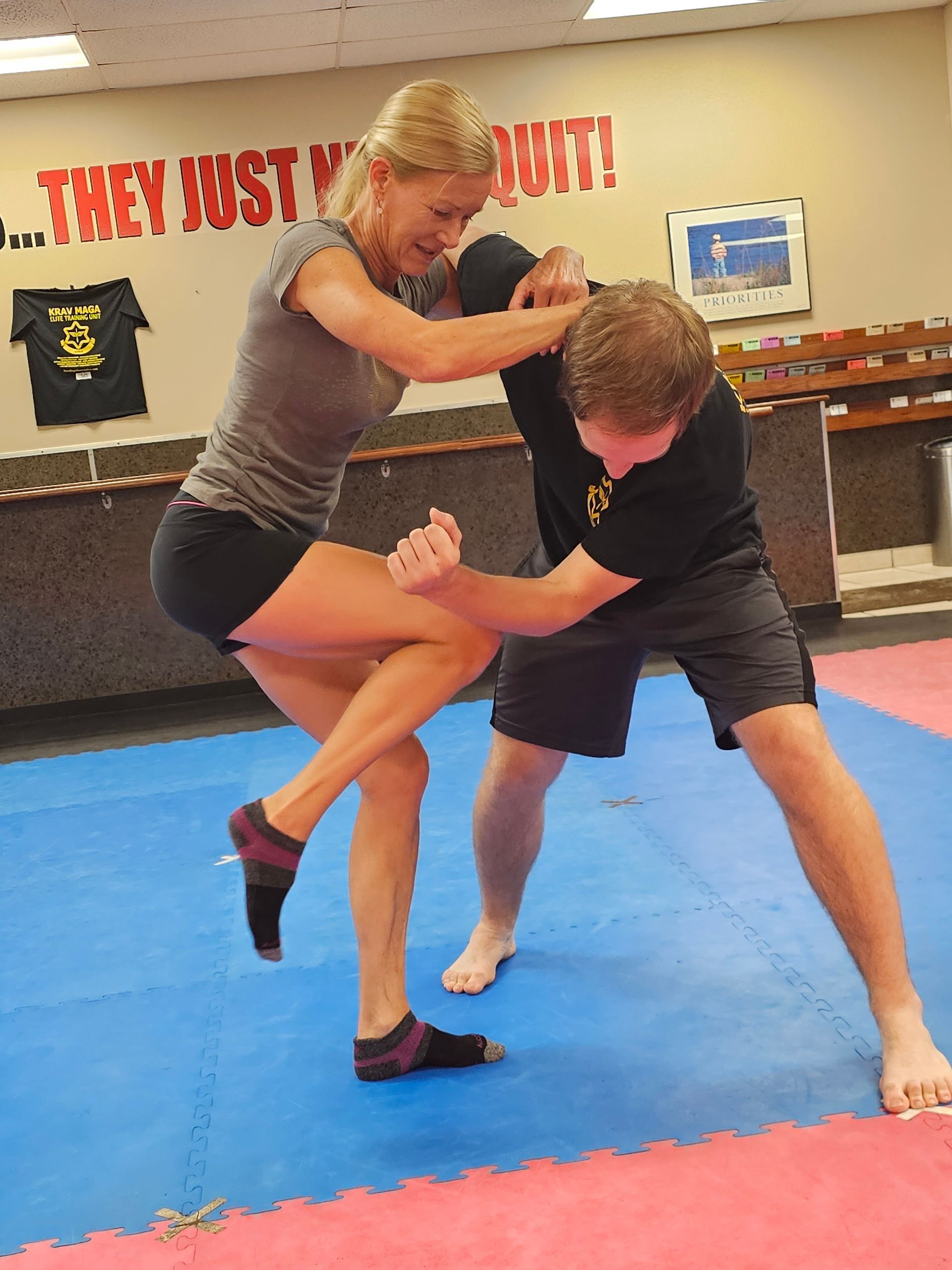
If you want training that builds real skill and a real sense of belonging, Wisconsin National Karate Kickboxing & Krav Maga in New Berlin, WI brings students together through structured classes, personal instruction, and a welcoming culture that stays consistent week after week. We train for discipline and self-defense, but the friendships that form along the way are often what keep students coming back.
Whether you are looking for Youth Martial Arts in New Berlin for your child or a program you can grow with as an adult, we are here to help you get started at a pace that feels comfortable and sustainable at Wisconsin National Karate Kickboxing & Krav Maga.
Become part of a positive martial arts environment by joining a Karate class at Wisconsin National Karate.