How Youth Karate in New Berlin Builds Independence and Self-Motivation
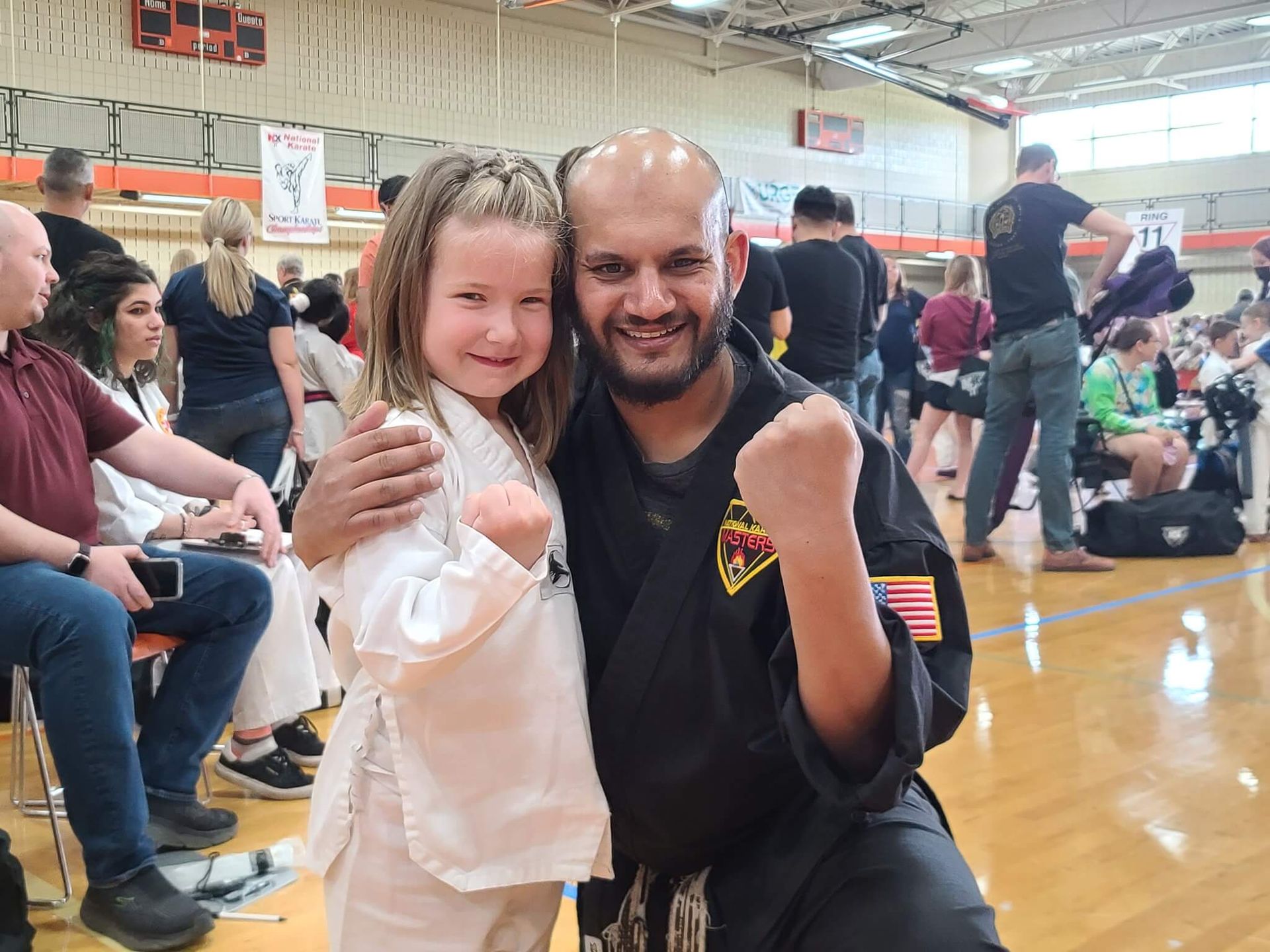
Youth Karate turns confidence into a daily habit, not a once-in-a-while pep talk.
If you are looking at Youth Karate for your child, you are probably thinking about more than kicks and punches. Most families we meet in New Berlin want something practical: a structured activity that helps kids make better choices when nobody is prompting them, and keep going when something feels hard.
That is exactly where Youth Karate shines. Because progress is personal and visible, kids learn to rely on their own effort. Over time, that steady practice builds independence and self-motivation in a way that fits real life: school mornings, homework frustration, sibling disagreements, and the social pressure that comes with growing up.
In this guide, we will break down how our Youth Karate in New Berlin classes support those life skills, what you can expect as a parent, and how to reinforce the progress at home without turning training into another nagging routine.
Why independence looks different for kids (and why that matters)
Independence is not just “doing things alone.” For kids, it usually starts as small, quiet wins: packing a backpack without reminders, speaking up when something feels unfair, taking responsibility for a mistake without melting down. Those moments are easy to miss, but they add up.
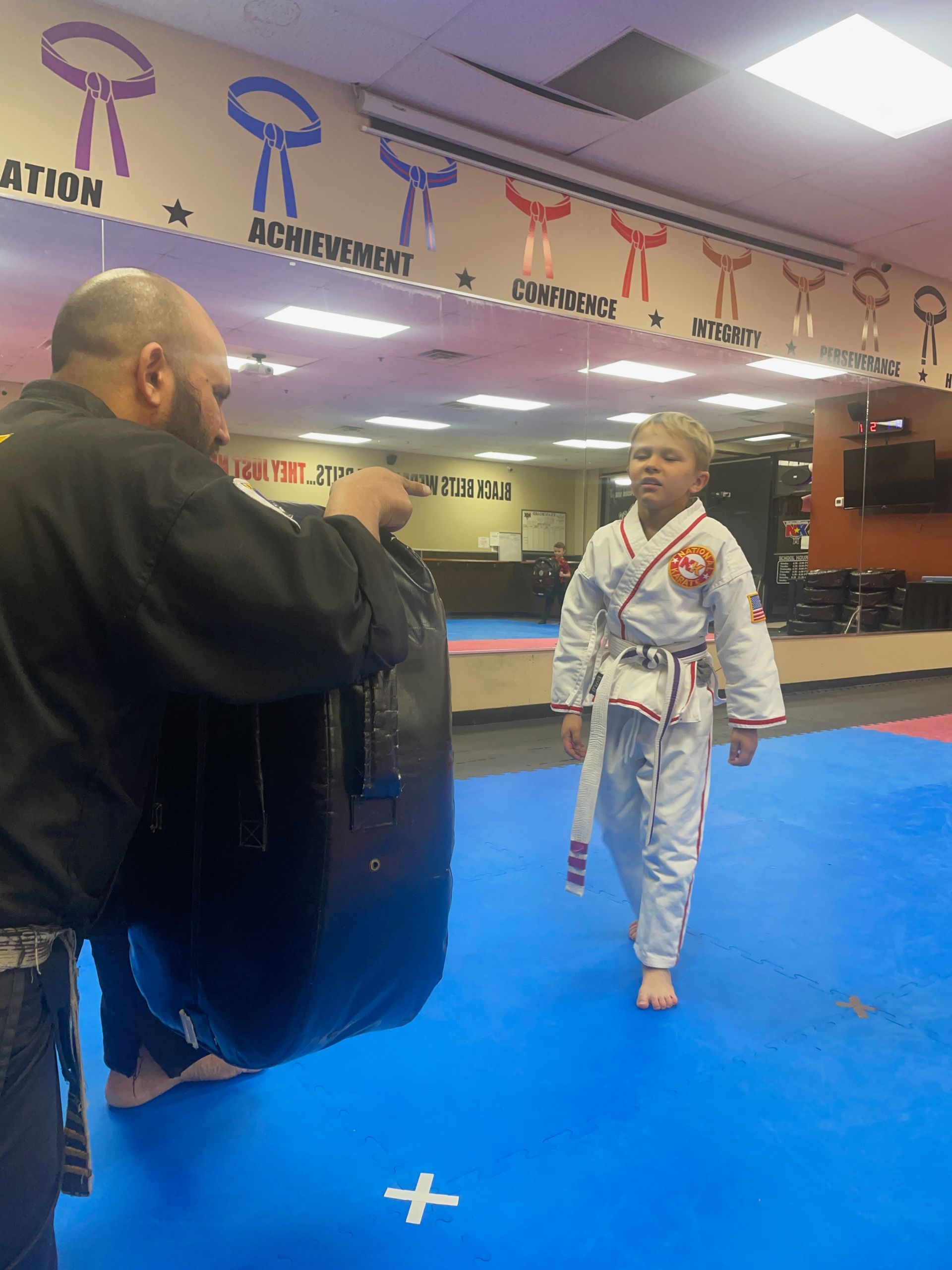
Youth Karate gives kids a safe place to practice independence in a structured way. In class, your child is not waiting to be “picked” for a position or relying on a teammate to succeed. Instead, we focus on individual skill mastery. That simple shift changes how kids think about effort: if you practice, you improve. If you improve, you earn the next step.
This is especially relevant around ages 7 to 12, when kids are developing coordination, self-awareness, and a stronger sense of personal identity. It is a window where the right kind of challenge can create lasting confidence.
How belt progression builds self-reliance, not comparison
One of the most effective tools in Youth Karate is the belt system. It is not just decoration. It is a roadmap that helps kids understand goals, patience, and the idea that growth happens in layers.
When belt advancement is based on personal mastery, kids stop chasing approval and start tracking progress. They learn to ask better questions, like “What do I need to fix?” instead of “Am I better than someone else?” That is a big deal for motivation.
The quiet power of measurable goals
In our program, we use progress checks to make improvement concrete. Kids can feel the difference in their balance, their accuracy, and their ability to remember combinations. That visible progress does two things at once:
• It reduces anxiety about keeping up, because the benchmark is their own performance
• It teaches goal-setting, because the next milestone is clear and realistic
Over time, kids start taking ownership of their training. We often see students begin warming up quickly, adjusting their stance without being told, or asking for an extra rep because they know exactly what needs work.
Self-motivation comes from doing hard things on purpose
A lot of parents tell us motivation is the biggest struggle at home. Not defiance, not attitude, just that tired “I do not feel like it” resistance that shows up with chores and homework.
Youth Karate helps because it normalizes effort. In class, we practice techniques again and again, even when it feels repetitive. We talk about perseverance openly, and we reinforce that improvement is supposed to feel challenging sometimes. That is what makes it growth.
Resilience is trained, not wished for
Self-motivation is not a personality trait that kids either have or do not have. It is a skill. When kids learn to stay focused through a difficult drill, they are practicing the same mental muscle that helps them finish a book report or study for a test.
And yes, some days a child walks in with low energy. That is normal. What matters is that our structure helps kids start anyway, and starting is usually the hardest part.
Focus training that carries into school and home
Youth Martial Arts in New Berlin are often praised for discipline, but discipline is really made of smaller pieces: attention control, impulse control, and the ability to pause before reacting. That is exactly what our classes train.
When students practice forms, combinations, or partner drills, they have to listen closely, process instructions, and make micro-corrections. That repetition improves attention span over time. Many families notice better listening at home and fewer emotional spikes after school, especially once training becomes consistent.
Movement supports emotional regulation
There is also a simple physical reality: exercise influences mood. Training can support emotional regulation through movement, breathing, and the natural endorphin response that comes with physical activity. When kids learn to reset with breath control and posture, those tools do not stay in the dojo. Kids use them in hallways, classrooms, and living rooms.
Monthly character themes that make motivation stick
Skills are important, but character is what makes skills useful. That is why we use monthly character themes such as respect, self-control, and resilience. These themes give kids language for what is happening internally, not just externally.
For example, self-control is not only “do not interrupt.” In Youth Karate, self-control can mean keeping your guard up when you are tired, or staying calm when you make a mistake in front of others. That kind of practice turns motivation inward. Kids learn to measure progress against their past selves, which is healthier and more sustainable than constant comparison.
Why non-competitive training can be a relief for families
Some kids love competition. Some kids do not. In Youth Karate, the center of gravity is personal growth, which can feel like a relief for children who struggle with performance pressure or social comparison.
That does not mean training is easy. It means the pressure is productive. Kids work hard, but the goal is mastery, not popularity. For shy kids, this can be the first time they feel comfortable being seen while learning. For high-achievers, it can be a place to practice patience and humility, because no one skips the fundamentals.
A typical confidence shift we see
A common pattern is that a shy or hesitant child starts quietly, staying close to the back line and avoiding eye contact. Then a few weeks pass, and small changes show up: stronger posture, a louder yes sir or yes maam, and a willingness to demonstrate a technique. It is not instant, and it is not dramatic. It is just real.
What your child learns in our Youth Karate in New Berlin classes
Our curriculum is designed to build both capability and character. We teach kids how to move well, think clearly under pressure, and make decisions with confidence.
Here is what that looks like in practical terms:
• Fundamental stances and footwork that build balance, coordination, and body awareness
• Age-appropriate striking and kicking mechanics with a strong focus on control and safety
• Defensive movement and distance management so kids understand space and boundaries
• Partner drills that teach respect, cooperation, and calm communication under pressure
• Structured routines for listening, lining up, and following instructions without constant reminders
• Progressive goal milestones that help kids stay motivated through clear next steps
That blend matters. Independence grows when kids feel capable. Motivation grows when kids know what to do next.
How our multi-discipline approach supports practical confidence
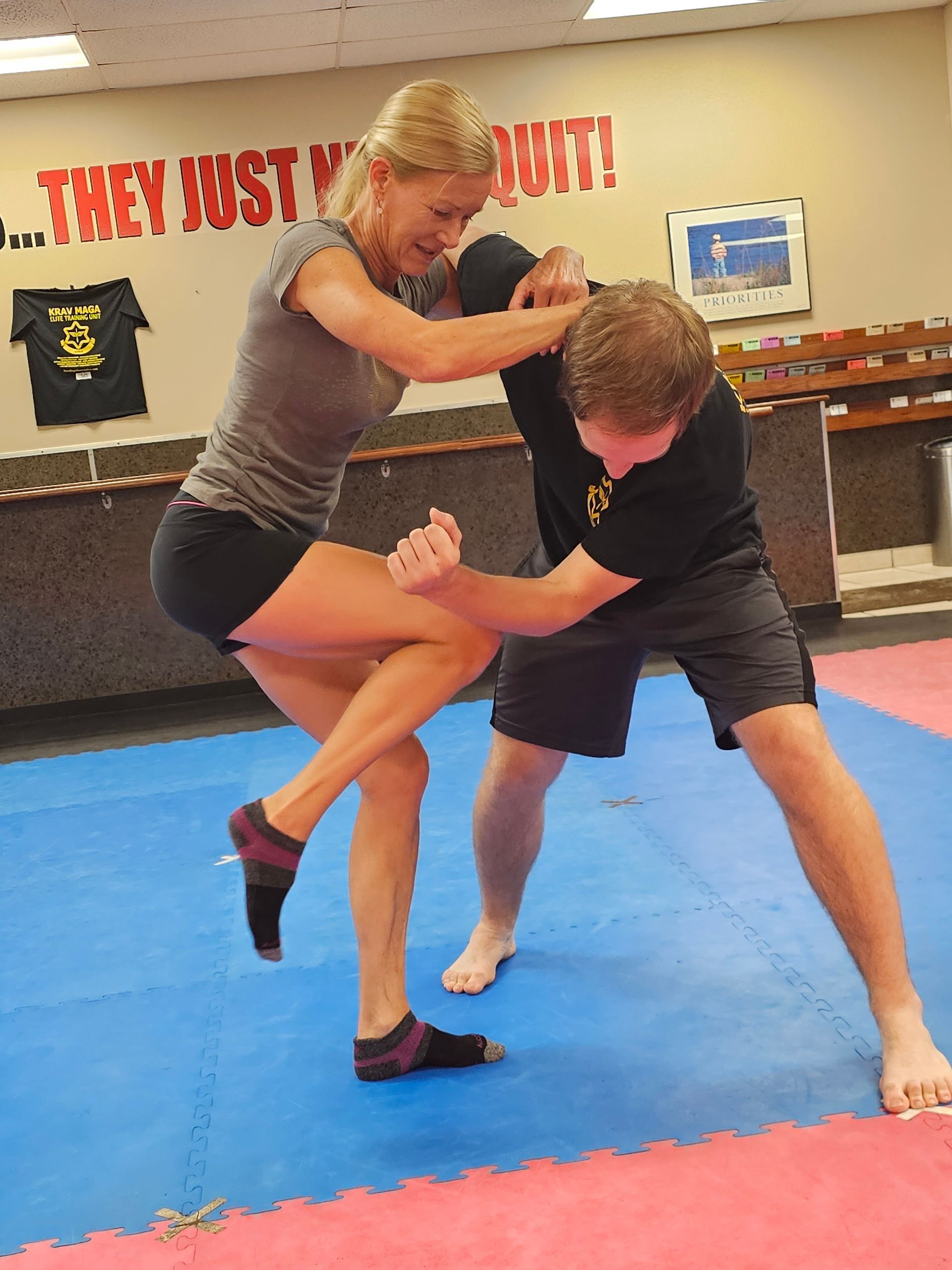
In New Berlin, families often want a program that feels relevant, not just traditional for tradition’s sake. Our training includes Karate foundations while also pulling in elements from kickboxing and Krav Maga for practical self-defense awareness.
For kids, that matters in a simple way: training feels useful. When a child believes a skill has real-world value, effort becomes easier to access. Practical confidence does not create aggression. In our experience, it usually does the opposite. Kids who feel secure tend to de-escalate, use their words, and walk away from situations that used to overwhelm them.
Addressing common parent questions honestly
Does Youth Karate help unmotivated kids build confidence?
Yes, and the reason is structure. The belt journey provides quick wins early on, then gradually teaches patience. Kids see proof that effort works, and that is often what unlocks motivation.
What age is best to start for independence?
Many kids benefit most between ages 7 and 12 because coordination and self-discovery are accelerating. That said, we still meet your child where your child is. A motivated beginner at 13 can make amazing progress too.
Can training help with bullying concerns?
Training supports better posture, boundary-setting, and situational awareness. It also gives kids practice speaking clearly and staying calm. We always emphasize safety, de-escalation, and getting help from trusted adults.
Is it suitable for kids with learning differences?
Often, yes. Because progress is individualized, kids can work at an appropriate pace without feeling singled out. Repetition, routine, and clear expectations can be especially helpful.
A simple at-home system to reinforce independence
You do not need to become a coach at home. In fact, it is usually better if you do not. What helps most is creating a small routine that supports ownership.
Try this simple three-step approach:
1. Ask your child what they are working on this month in class and let them explain it in their own words
2. Set a tiny practice goal, like five minutes, three days a week, and keep it consistent rather than intense
3. Praise effort and follow-through, not talent, especially when the practice looks a little messy
That last part matters. Kids learn independence when your feedback reinforces choices and persistence, not perfection.
How Youth Karate supports New Berlin families right now
Between screen time, academic stress, and busy schedules, kids need an outlet that is structured but positive. Youth Martial Arts in New Berlin can be that outlet when the environment is consistent and expectations are clear.
We also know families in the Milwaukee suburbs value activities that fit into real routines. That is why our class schedule is designed to work with school days, and why we emphasize steady progress over quick fixes. Kids do not just burn energy here. We help your child build habits: showing up, listening, practicing, and earning improvement through effort.
Take the Next Step
Building independence and self-motivation is not a one-time lesson. It is a skill your child develops through repeated practice, supportive coaching, and meaningful goals. Youth Karate works because it makes growth visible, and it teaches kids to connect success to their own choices.
That is the heart of what we do at Wisconsin National Karate Kickboxing & Krav Maga. If you want a Youth Karate in New Berlin program that balances discipline with encouragement and keeps kids progressing in a clear, healthy way, we would be glad to help you get started.
Develop confidence, discipline, and real self-defense skills through martial arts classes at Wisconsin National Karate Kickboxing & Krav Maga.