Karate Sparring Basics: Essential Tips for Beginners in New Berlin
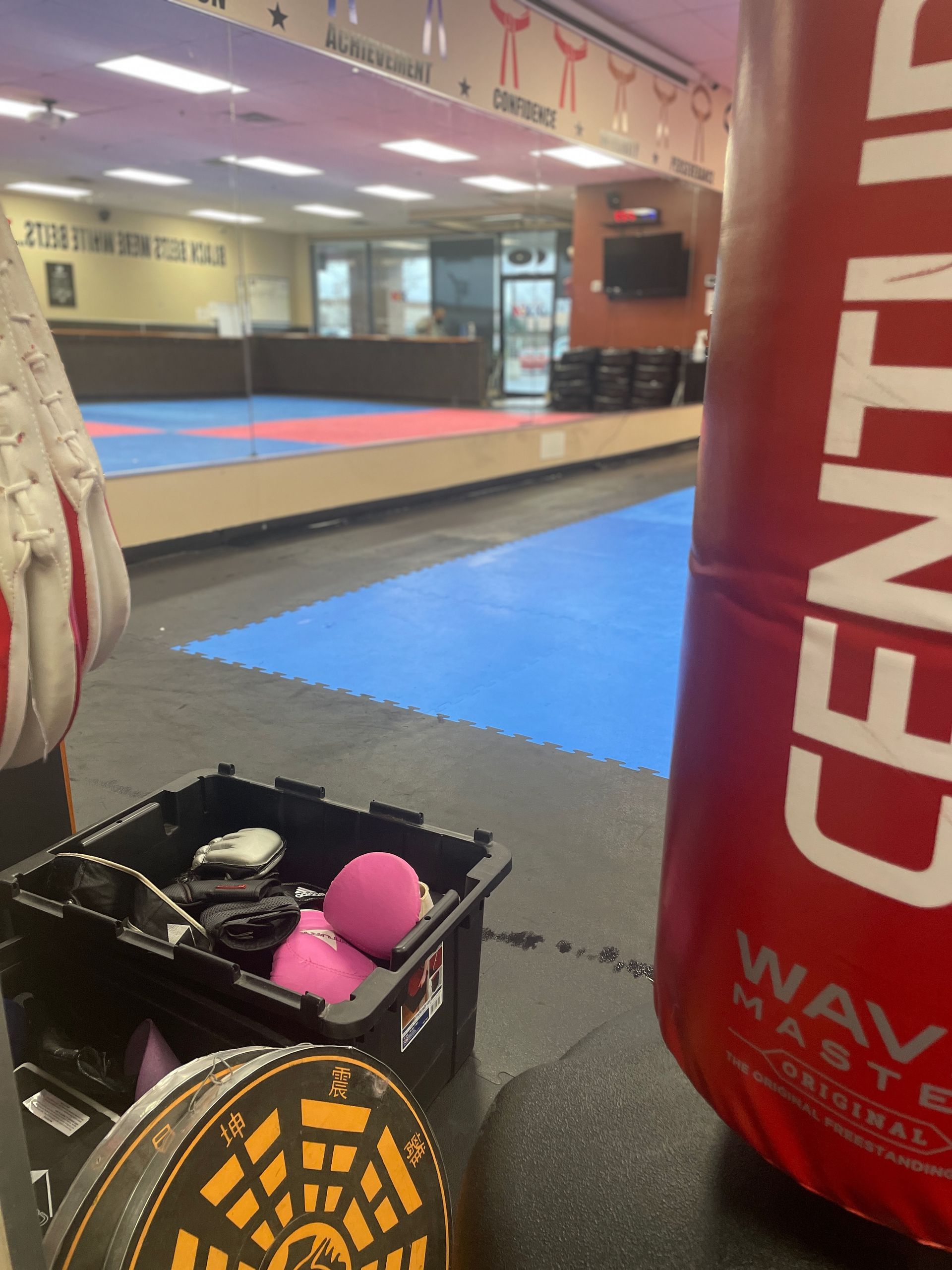
Sparring is where your basics become real, and where safety and confidence should grow together.
If you are new to Karate, sparring can feel like the big, slightly mysterious milestone. You might be excited, a little nervous, or both. That is normal. Sparring is not about being tough or taking hits. In our New Berlin classes, we treat beginner sparring as a learning tool: a way to practice distance, timing, and decision-making while staying controlled and respectful.
We also see a common misconception that sparring starts with contact. For beginners, it usually starts with structure. Before anyone trades techniques, we build the fundamentals that keep you safe: stance, guard, footwork, and simple defenses. When your body knows where to be, your mind can relax and pay attention to what matters.
This guide covers Karate sparring basics in plain language, with a local, beginner-friendly approach that works for kids, teens, and adults. If you are a parent looking into Youth Karate in New Berlin, or you are an adult wanting a practical start, you will find a clear roadmap here.
What beginner sparring is and what it is not
Sparring is practice, not a fight. The goal is to develop skill under pressure without escalating intensity. Beginners need repetitions, not bruises. That is why our early sparring rounds focus on light contact, clean control, and stopping techniques where you intend to land them.
Sparring is also not random. We do not throw you in and hope you figure it out. We introduce rules and constraints on purpose: limited targets, limited techniques, and timed rounds. That structure creates confidence quickly, especially for newer students who are still learning how to move naturally.
And sparring is not just physical. You are training awareness, emotional control, and respect. For many students, that is the hidden benefit. You learn to breathe, reset, and make a calm decision even when your heart rate jumps.
Karate safety first: the non-negotiables we teach
Safety is a skill, and we train it like one. New students often think safety is just gear, but it starts with behavior and communication. If something feels off, you speak up. If your partner is smaller, newer, or anxious, you adjust. That mindset is part of traditional martial arts, and it still matters in modern training.
We also use progressive intensity. That means you earn speed and contact over time by showing control. When your techniques are accurate and your balance is stable, you can go a little faster. When your timing improves, you can add complexity. That progression keeps training fun and sustainable, especially for Youth Martial Arts in New Berlin where parents want a safe environment.
A few safety basics we reinforce every class:
- Keep your hands up and your chin tucked, even when you are tired
- Pull power on contact and prioritize touch over impact
- Stop immediately on a break call, no exceptions
- Match your partner’s pace and stay respectful
- Treat every round as skill-building, not winning
Gear for beginner sparring: what you actually need
Most beginners do not need a closet full of equipment. Start with the essentials, then add items as your training becomes more specialized. We help you choose the right fit because gear that slides around is not protective, it is distracting.
Here is a simple beginner checklist we recommend for Karate sparring:
- Mouthguard that fits snugly and lets you breathe comfortably
- Sparring gloves sized correctly so your wrist stays supported
- Shin and instep guards to reduce accidental bumps during kicking drills
- Headgear when appropriate for your level and class format
- Athletic cup for males, plus optional chest protection for females if desired
If you are unsure what to buy first, bring your questions to class. We would rather you feel confident and comfortable than rush into the wrong gear.
The stance and guard that make sparring feel easier
When sparring feels chaotic, it is often a stance problem. Your stance is your steering wheel and your brakes. A balanced stance helps you move without crossing your feet, and it helps you hit without leaning forward.
We teach a beginner stance with a few key points. Your feet should be about shoulder width, your lead foot angled slightly in, your back heel light, and your knees soft. From there, your guard should protect your head without locking your shoulders up. Relaxation is not laziness. Relaxation is speed and endurance.
A practical tip: if your shoulders burn after one round, your guard is probably too tense. Shake your arms out between rounds, reset your posture, and keep your elbows closer to your ribs. You will feel a difference fast.
Distance control: the real “secret” to beginner sparring
Most beginner mistakes are distance mistakes. If you are too close, everything feels rushed and clumsy. If you are too far, you reach and lose balance. Distance control is the skill that makes sparring look smooth, even at a beginner level.
We teach three simple ranges:
- Outside range, where you can see techniques coming and practice footwork
- Edge range, where your longest techniques can touch with control
- Inside range, where you need tight defense and quick exits
Beginners should spend most of their time learning the first two ranges. You do not need to crowd your partner to be effective. In fact, staying just outside and stepping in at the right moment is the foundation of good Karate timing.
Footwork fundamentals you can practice at home
You do not need a huge space to improve footwork. A hallway, a basement corner, or a clear patch of living room works. What matters is repetition with good posture.
Start with simple steps: forward, back, and small angles to your left and right. Keep your stance width consistent, and avoid bouncing straight up and down. Smooth is stable. Stable is fast.
A simple drill we like for beginners is the “in-out” step. Step in to edge range, then step out before you throw anything. It trains your eyes and your hips to move together. Once that feels comfortable, add a single jab-style punch as you step in, then step out again.
Striking basics: light contact with clean technique
For beginners, power is not the priority. Accuracy, posture, and control come first. When your knuckles, wrist, and elbow line up correctly, you can strike safely. When you throw wild shots, you risk your hands and your partner.
We usually start with straight punches and controlled front kicks because they teach direct lines and stable balance. Then we add round kicks as students show control and chamber mechanics.
In beginner Karate sparring, your best “combo” is often just two techniques with perfect balance. A clean one-two and a controlled exit can be more effective than a five-move flurry that leaves you off-balance and out of breath.
Blocking and defense: make it simple and reliable
Defense in sparring is not about fancy blocks. It is about having a small set of dependable responses you can repeat under stress. For beginners, we emphasize three layers of defense: guard, angle, and counter.
Guard means your hands and elbows are already in position. Angle means you step off the line instead of absorbing everything head-on. Counter means you respond with a clean technique after you are safe, not while you are still getting hit.
If you only remember one thing, remember this: a good defense is proactive. Do not wait until a technique is already on your face. Use your eyes and footwork early.
A four-week “New Berlin sparring roadmap” for beginners
Beginners do better when they know what progress looks like. Here is a simple four-week progression we use to help students feel calm and capable as they move toward sparring.
1. Week 1: Build posture and control
You focus on stance, guard, basic movement, and non-contact shadow sparring so your body learns the shapes.
2. Week 2: Add partner distance drills
You work with a partner on in-out movement, target awareness, and light touch tagging, usually with strict rules and pauses.
3. Week 3: Introduce limited sparring rounds
You do short rounds with specific goals, like jab only, kick only, or one-step entries, with coaching between rounds.
4. Week 4: Combine basics into light sparring
You begin to blend simple combinations, defense, and exits with controlled pacing, focusing on composure and clean technique.
This structure keeps training safe and predictable, which is especially helpful for Youth Karate in New Berlin where confidence matters just as much as coordination.
How sparring differs for youth, teens, and adults
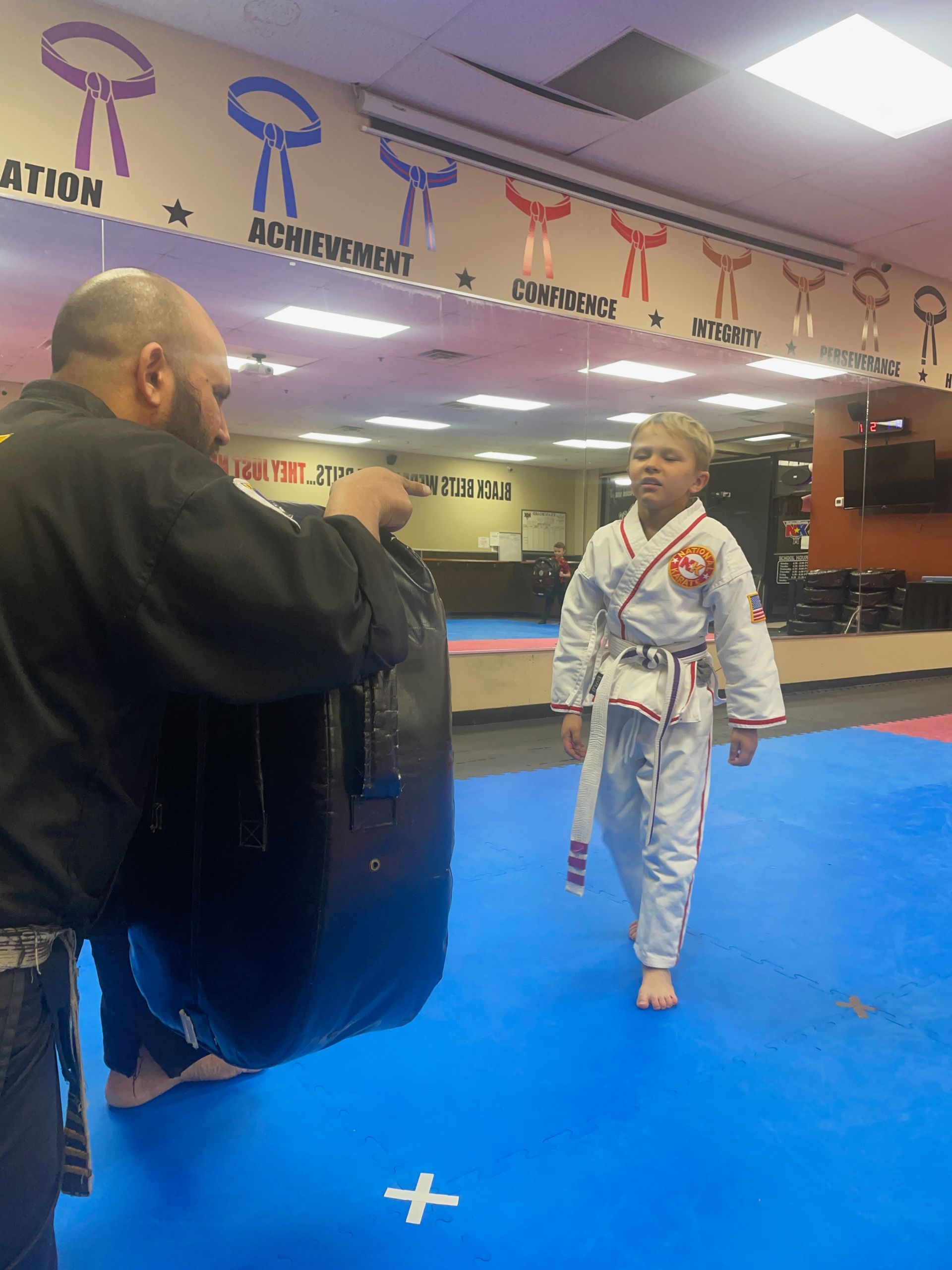
Kids need a different pace than adults. For youth, we keep sparring heavily structured with clear rules, close supervision, and lots of reset moments. The goal is to build discipline, listening skills, and confidence while keeping contact appropriate. Many parents also appreciate how this supports anti-bullying habits: strong posture, calm voice, and boundary-setting.
Teens often want more intensity, but they still need a foundation. We focus on control and accountability, because growth happens when you can manage speed without losing form. Teens also benefit from sparring as a safe way to handle stress and pressure in a healthy environment.
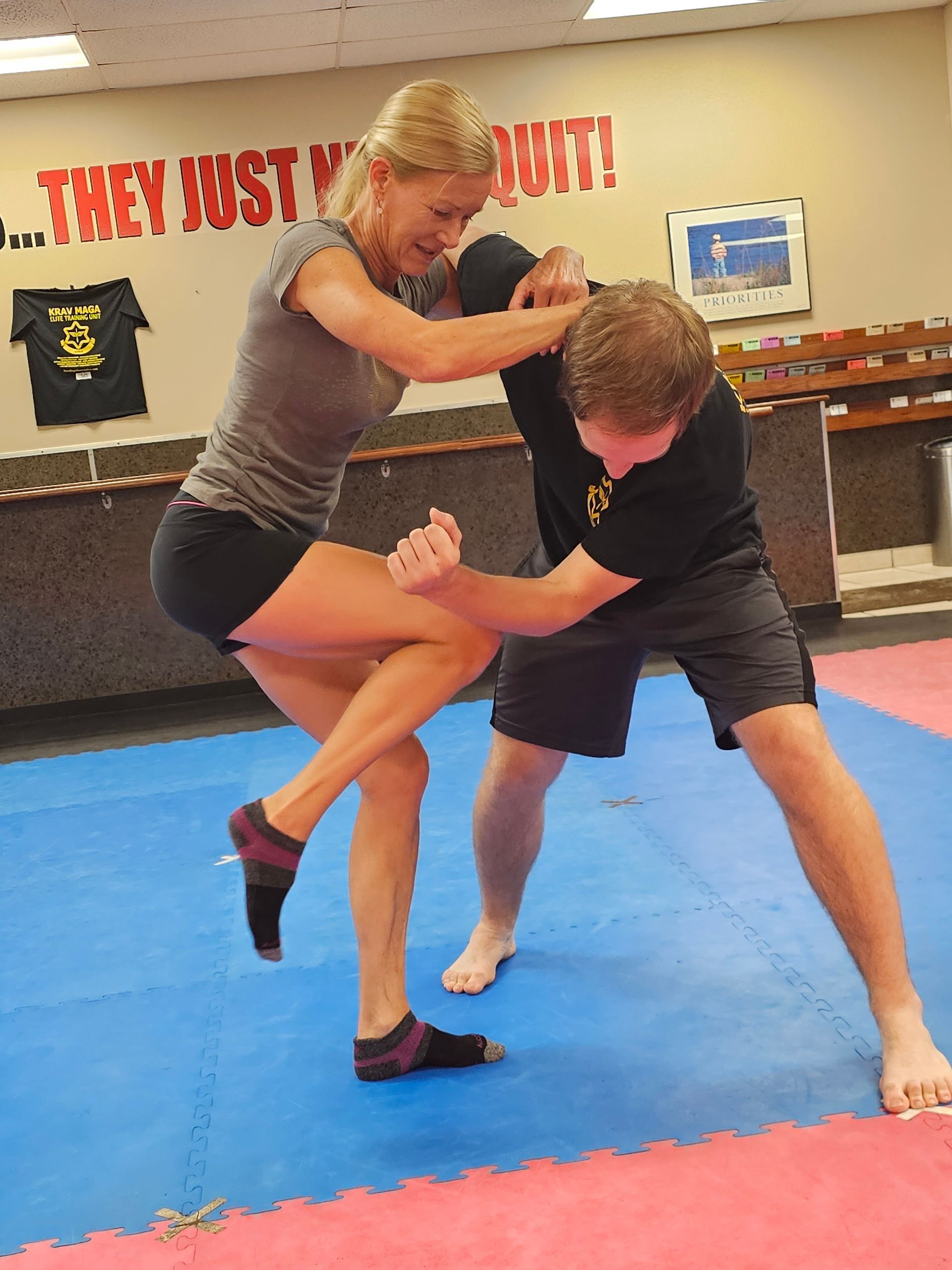
Adults usually come in with practical goals: fitness, self-defense, and stress relief. We keep sparring beginner-friendly while connecting it to real-world movement: distance management, protecting your head, and staying balanced under pressure. Our “Americanized” hybrid approach blends Karate with elements that support practical self-defense, so you are not just learning theory.
Common beginner questions we hear in New Berlin
A lot of questions show up again and again, so here are clear answers.
What age is best to start sparring
We start with fundamentals first, and we introduce sparring concepts when a student shows control, focus, and respect for partners.
Is sparring safe for kids
Yes, when it is structured, supervised, and kept at an appropriate intensity with proper gear and rules.
Do I need to be in great shape first
No. Sparring improves conditioning over time. We scale intensity, rounds, and drills to your level.
What if I feel nervous
That is normal. We start with no-contact or limited-contact drills so you can build confidence step by step.
How often should I train
Consistency matters more than intensity. A steady weekly schedule builds skill faster than occasional hard sessions.
Take the Next Step
If you want Karate sparring to feel approachable, safe, and genuinely useful, our program is built to guide you there one step at a time. We coach control before contact, and we treat sparring as a way to build real skill, not rack up points. That approach is why families across New Berlin keep showing up week after week.
At Wisconsin National Karate, we welcome beginners of all ages and keep training practical, respectful, and structured. When you are ready, we will help you learn the basics, gear up confidently, and progress into light sparring with coaching that actually makes sense in the moment.
New to karate? Start your journey by joining a free karate trial class at Wisconsin National Karate.